

Bridal fitting alternatives: Your complete guide
Table of Contents
- Why bridal fitting alternatives matter
- Professional seamstress services vs. bridal boutiques
- Virtual consultation and remote fitting options
- Wedding dress alterations cost: What to expect
- Bridal fitting checklist: Preparing for your appointment
- DIY alterations vs. professional tailoring
- Sustainable and specialist fitting options
- Conclusion
- Frequently Asked Questions
Last Updated: September 1, 2026
Why bridal fitting alternatives matter
Getting your bridal gown to fit perfectly matters far more than most brides realise. The difference between a dress that hangs well and one that doesn't can affect how you move, how you feel, and ultimately how confident you appear on your wedding day. Yet not every bride has access to a traditional bridal boutique, and not every boutique offers the level of personalised service that makes the alteration process smooth and stress-free.
At Amelie Devizes, we understand that bridal fitting alternatives serve a crucial purpose. Whether you're working with a dress you've purchased online, inherited from a family member, or bought from a high street retailer, finding the right professional to handle your bridal fitting needs can transform your entire experience. The reality is that bridal fitting alternatives now extend far beyond the conventional route of walking into a boutique and booking an appointment with an in-house seamstress.
This guide explores the full range of bridal fitting alternatives available to you, from independent professional seamstresses to virtual consultation services, sustainable tailoring options, and specialist practitioners who work outside the traditional bridal industry. We'll walk you through what each option offers, what to expect in terms of cost and timeline, and how to prepare for your appointment regardless of which route you choose.
Professional seamstress services vs. bridal boutiques
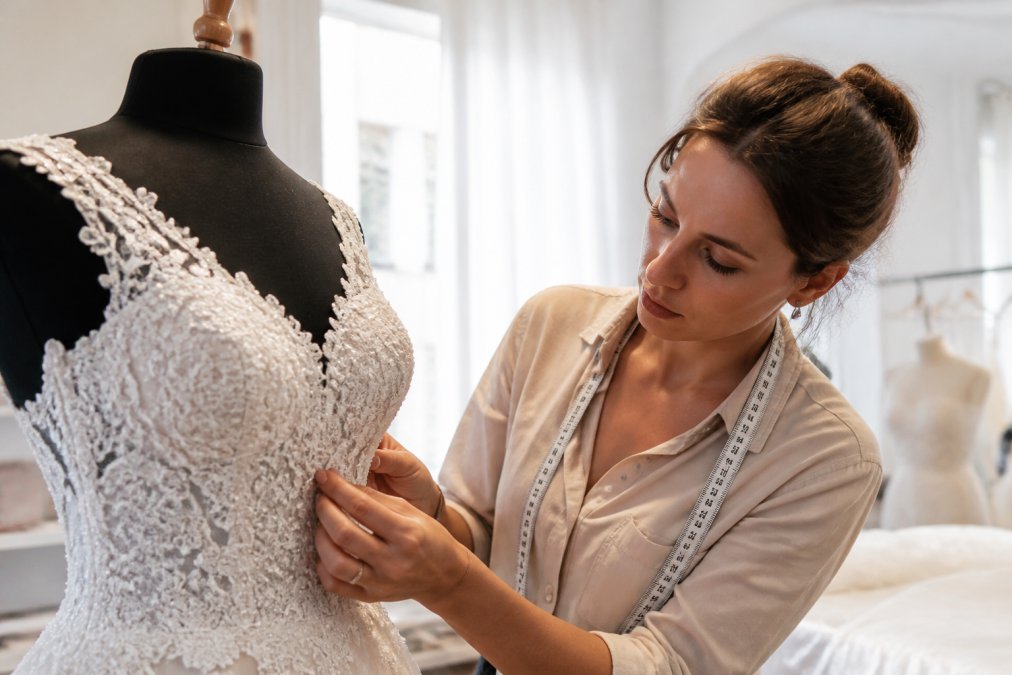
The distinction between independent seamstress services and traditional bridal boutiques comes down to specialisation, environment, and often price. A professional seamstress who specialises in bridal work operates differently from a boutique that sells dresses and offers fitting as an ancillary service.
Independent seamstresses typically work from home studios, small ateliers, or shared workshop spaces. They focus exclusively on alterations and custom tailoring rather than dress sales. This means they bring deep expertise in garment construction, fabric manipulation, and the specific challenges that bridal gowns present. Many have spent years working with delicate laces, intricate beading, bustles, and the structural changes that transform an off-the-rack dress into something tailored to your body.
Bridal boutiques, by contrast, operate as retail environments where fitting is part of the customer journey. Staff may handle fittings alongside sales responsibilities, and their expertise often centres on the boutique's own inventory rather than a broader range of dress styles. This model works well if you're purchasing your dress from that boutique, but it can create conflicts of interest if you're bringing in a dress from elsewhere.
The key advantage of independent seamstresses is flexibility and specialisation. They can work with virtually any dress, adapt to your timeline, and often charge by the alteration rather than by appointment. Many also offer bespoke services, meaning they can create custom elements or make structural changes that boutique fitters might decline.
Bridal boutiques excel at creating a cohesive experience. You can try on dresses, discuss styling, and coordinate your fitting with your purchase all in one place. The environment is designed for brides, and staff understand the emotional weight of the fitting process. However, this experience comes with a premium price, and you may find yourself pressured to purchase from their inventory.
Virtual consultation and remote fitting options
Virtual consultations have transformed bridal fitting for brides who live far from specialist services, have mobility challenges, or simply prefer the convenience of remote appointments. These services allow you to work with a professional seamstress or fitter without being physically present.
The process typically begins with a video call where the seamstress assesses your dress, discusses your concerns, and takes measurements either from you or from a trusted friend or family member. Some services ask you to wear fitted undergarments and stand against a plain background so they can evaluate how the dress sits on your body. Measurements are taken using a soft tape measure, and the seamstress guides you through the process via video call.
Remote fitting works best for straightforward alterations like hemming, taking in seams, or adjusting straps. For more complex work such as bustle installation, significant bodice restructuring, or bespoke beading, many professionals still prefer an in-person appointment to ensure precision. However, many remote services offer a hybrid model: initial consultation by video, then one in-person fitting appointment closer to your wedding date to confirm the final adjustments.
The advantage of virtual consultations is accessibility and time-saving. You avoid travel, can schedule appointments around your work commitments, and can consult with seamstresses who may be based in different regions. The disadvantage is that some alterations genuinely require hands-on assessment, and video can sometimes miss subtle fit issues that become apparent when the dress is worn and moved in.
Services offering virtual consultations often provide detailed instruction sheets and follow-up communication by email or messaging apps. This creates a clear paper trail of what's been discussed and agreed upon, which can be helpful if any questions arise later.
Wedding dress alterations cost: What to expect
Understanding the cost of bridal fitting alternatives helps you budget effectively and avoid surprises. Costs vary significantly depending on the type of alteration, the complexity of the work, and whether you're working with an independent seamstress or a boutique service.
Many seamstresses charge per alteration rather than per appointment. A simple hem might cost between £40 and £100, depending on the fabric and the amount of hand-finishing required (brides.com). Taking in seams typically ranges from £50 to £150 per seam, whilst bustle installation, a more complex job involving structural reinforcement, can cost between £80 and £250. Bead or lace repair, if your dress arrives damaged or if you've caught a thread, might run £25 to £75 depending on the extent of the work.
Bridal boutique fitting services often charge appointment fees ranging from £30 to £80, which may or may not be credited toward the cost of alterations. Some boutiques bundle fitting into the dress purchase, whilst others treat it as a separate service. If you're purchasing your dress from the boutique, alterations are often discounted or included as part of the package.
The total cost of bridal fitting alternatives typically ranges from £150 to £500 for standard alterations on a single dress (theknot.com). Complex work, such as restructuring a bodice, adding significant boning, or creating custom elements, can exceed £500. Bespoke services, where a seamstress creates a dress or substantially modifies an existing one, can cost significantly more.
At Amelie Devizes, we recognise that cost is a real consideration for brides. When you invest in quality bridal lingerie like our curated selection, you're also investing in pieces that work beautifully under your altered gown. Proper undergarments can actually reduce the need for certain alterations, as they provide the foundation that makes a dress fit correctly.
Bridal fitting checklist: Preparing for your appointment
Preparing properly for your bridal fitting appointment ensures the seamstress has everything they need and can work efficiently. A well-prepared fitting saves time and reduces the risk of miscommunication.
Begin by scheduling your first fitting appointment at least three to four months before your wedding. This timeline allows for multiple fittings if needed and gives the seamstress time to complete work without rushing. Bring your dress to the appointment in clean condition, ideally in a garment bag to protect it from dust and damage during transport.
Wear the undergarments you plan to wear on your wedding day. This is crucial because undergarments affect how a dress sits and moves. If you haven't selected your bridal lingerie yet, consider visiting Amelie Devizes before your fitting appointment. Our specialised bridal fitting service ensures you have the right foundation garment, whether that's a supportive bra, a smoothing slip, or a custom piece designed to work under your specific dress style. The right undergarment can make the difference between a dress that needs extensive alterations and one that needs only minor adjustments.
Wear shoes with a similar heel height to what you'll wear on your wedding day, as heel height affects dress length. Bring any accessories you plan to wear, including jewellery, a veil, or a shawl, so the seamstress can see the complete picture. Write down specific concerns or requests before your appointment, notes about comfort, movement, or styling preferences help the seamstress understand your vision.
Ask the seamstress about their fitting process. How many fittings do they typically schedule? What is their timeline for completing work? What happens if adjustments need to be made after the final fitting? Understanding these details upfront prevents confusion later.
DIY alterations vs. professional tailoring
The temptation to handle bridal dress alterations yourself is understandable, especially when you're budget-conscious or have basic sewing skills. However, bridal gowns present unique challenges that make DIY alterations risky for most people.
Bridal fabrics are often delicate and unforgiving. Silk charmeuse, tulle, lace, and beaded fabrics can be damaged by incorrect stitching, and mistakes are frequently irreversible (peer-reviewed research). A misplaced seam or an uneven hem can be visible in photographs and difficult to hide. Moreover, bridal gowns often involve structural elements, boning, interfacing, bustles, and layered construction, that require knowledge of garment engineering to alter properly.
The cost of fixing a DIY alteration mistake often exceeds the cost of having a professional do the work correctly from the start. If you've taken in a seam too much and now the dress doesn't fit, unpicking and re-stitching can damage the fabric beyond repair. Beading that's been disturbed can be nearly impossible to restore to its original appearance.
That said, there are limited DIY alterations that are relatively safe if you have sewing experience. Hemming a simple, unbeaded skirt with a basic running stitch can work if you're comfortable with hand-sewing. Tightening a simple zip or adjusting a strap might be manageable. However, even these tasks benefit from professional guidance.
The professional route protects your investment. A bridal gown is often one of the most expensive garments you'll own, and the cost of professional alterations is insurance against costly mistakes. Professional seamstresses have the tools, materials, and expertise to handle any alteration, no matter how complex. They can also offer advice on what's possible and what might compromise the dress's integrity.
Sustainable and specialist fitting options
A growing number of brides are exploring sustainable and specialist fitting alternatives that align with their values or address specific needs. These options reflect changing attitudes toward bridal wear and the recognition that one-size-fits-all bridal services don't work for everyone.
Sustainable fitting services focus on extending the life of existing dresses rather than purchasing new ones. Some seamstresses specialise in upcycling vintage bridal gowns, transforming dated styles into contemporary designs. Others work with brides to modify dresses they've inherited or purchased secondhand, bringing them into alignment with modern silhouettes and personal style. This approach reduces waste and preserves the emotional value of a dress with family history.
Specialist fitters cater to specific body types or needs. Some seamstresses specialise in plus-size bridal wear, understanding the unique fit challenges that larger sizes present. Others focus on adaptive fitting for brides with mobility challenges or disabilities, ensuring that alterations accommodate specific needs without compromising style or comfort. Maternity bridal fitting is another specialist area, where seamstresses modify dresses to accommodate a growing bump whilst maintaining elegance.
Brides seeking eco-conscious options might work with seamstresses who use sustainable materials for reinforcement, interfacing, or repairs. Some professionals source organic threads or recycle fabric scraps into decorative elements. Whilst these considerations might seem minor, they reflect a broader commitment to mindful consumption.
Specialist fitters often charge premium rates because their expertise commands higher fees, but many brides find the investment worthwhile. Working with someone who truly understands your specific needs, whether that's creating a dress that works for a body type often overlooked by mainstream bridal retailers, or adapting a dress to accommodate a disability, can be transformative.
Conclusion
Bridal fitting alternatives have expanded dramatically, giving you far more options than the traditional boutique appointment. Whether you choose an independent seamstress, a virtual consultation service, a specialist fitter, or a sustainable tailoring professional, the key is finding someone who understands your needs and has the expertise to deliver results.
At Amelie Devizes, we believe that bridal fitting begins with the right foundation. Our specialised bridal fitting service ensures you have undergarments that work beautifully under your dress, reducing alteration needs and boosting your confidence on the day. We also stock beautiful bridal lingerie pieces, including our stunning Shell Belle Couture Voyage Long Kimono (£315.00) and Shell Belle Couture Room Service Kimono Ivory (£285.00), perfect for getting ready moments and the morning after. Start your bridal journey with us and experience the difference that expert fitting and high-quality pieces can make.


Frequently Asked Questions
Can I use a local tailor instead of a bridal boutique for bridal fitting alternatives?
Yes, many local tailors offer bridal fitting services and can handle complex adjustments like hemming, bustle installation, and bodice modifications. The key is finding one with bridal experience. When choosing a bridal seamstress, ask to see their portfolio of wedding dresses they've altered, check how they handle delicate fabrics and beading, and confirm they understand the timeline pressures of wedding preparation. Local tailors often cost less than boutiques but require you to manage the fitting schedule yourself.
What should I bring to my bridal fitting appointment?
Bring your wedding dress, the undergarments you'll wear on your wedding day (bridal bra, shapewear, and bridal shoes with the exact heel height), any jewellery or accessories that affect the silhouette, and photos showing your vision for the final look. Wear your hair and makeup similar to your wedding day if possible. This bridal fitting checklist ensures the seamstress can assess how everything works together and make adjustments that account for your complete wedding day ensemble.
How much do wedding dress alterations typically cost?
Wedding dress alterations cost varies widely depending on complexity. Basic hemming ranges from £50-150, while bustle installation costs £75-200. Bodice adjustments, taking in seams, or adding structural changes typically run £100-300 each. Complex work involving lace appliqué repositioning or extensive beading can exceed £400. Total wedding dress alterations cost for a full alteration package usually falls between £200-800. Always get a written quote before work begins and confirm whether rush fees apply if your wedding is within 4-6 weeks.
How far in advance should I book bridal alterations?
Book your bridal fitting appointment 3-4 months before your wedding. This allows time for multiple fittings (typically 2-3 appointments), adjustments between fittings, and a final fitting 2-3 weeks before the wedding. If your wedding is sooner, contact seamstresses immediately, some offer expedited services, though rush fees may apply. Starting early also gives you peace of mind and ensures your seamstress isn't overbooked during peak wedding season.
This article was written using GrandRanker